Find your Balance - YourFuture_PsychNP
Peru Unveiled: Journeying Through Ancient Ruins and Vibrant Culture
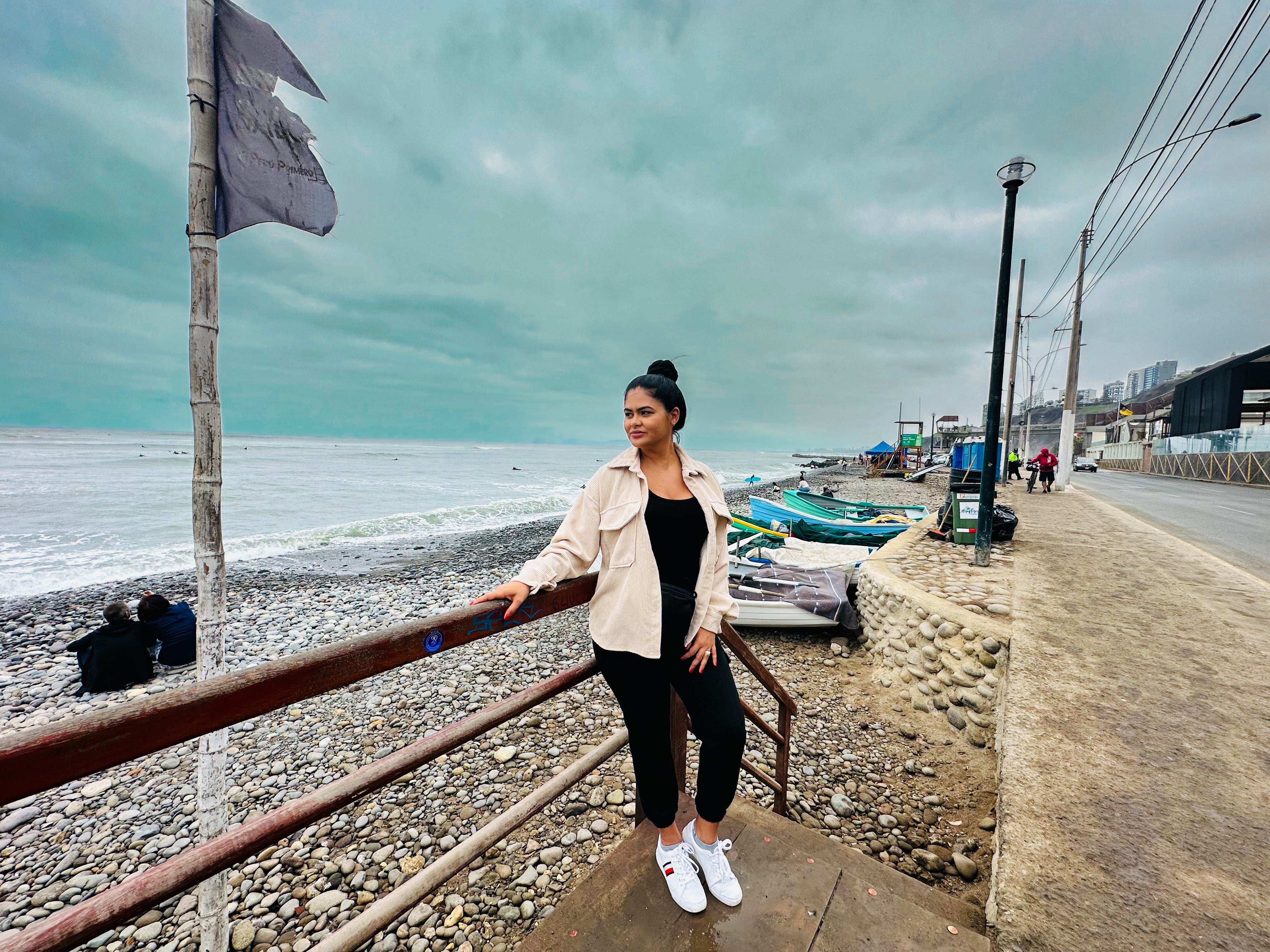
Lima, where the Pacific Ocean meets the coasts of a city full of explorers, artists, and dreamers.
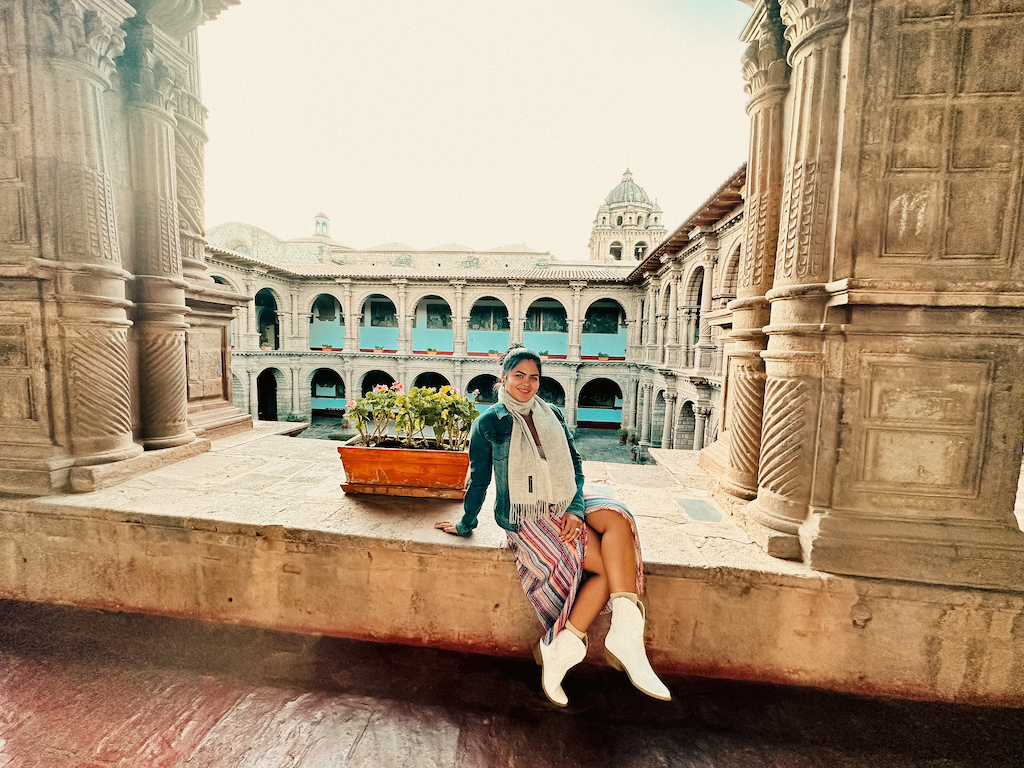
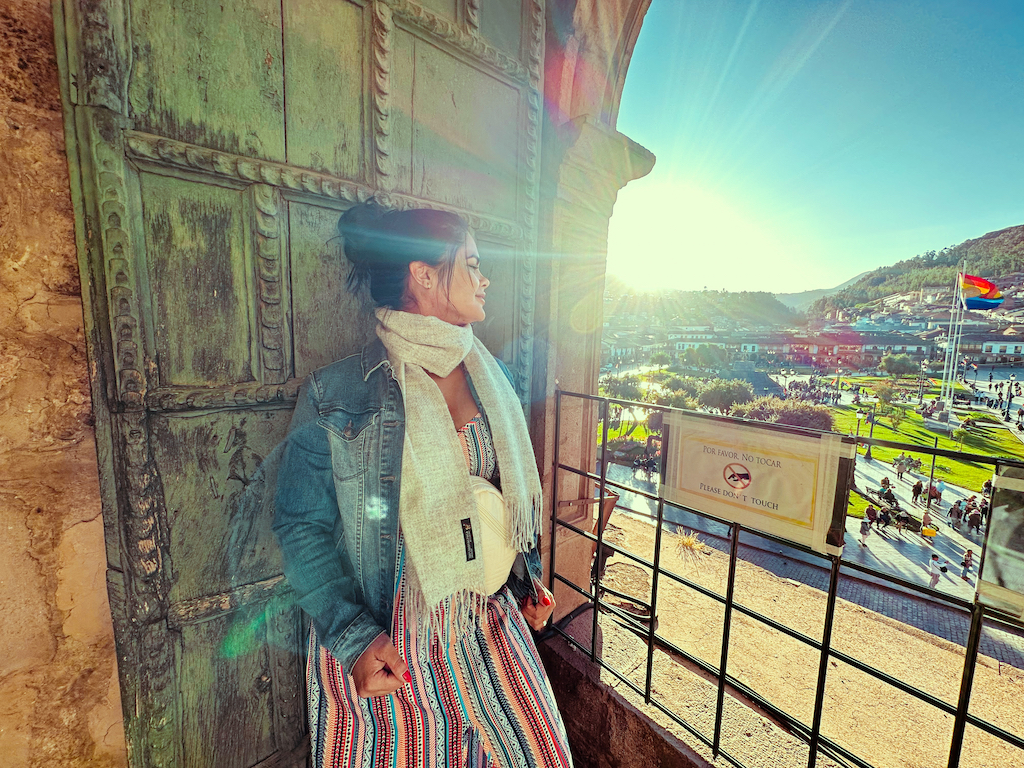
Welcome to the heart of the Andes, fellow travelers, to a city where the whispers of the past dance with the vivid beats of the present—welcome to Cusco.
Nestled in Peru's higher elevations, this historic city is a living witness to the Inca civilization's wonders and a canvas on which the strokes of history and modernity beautifully merge.


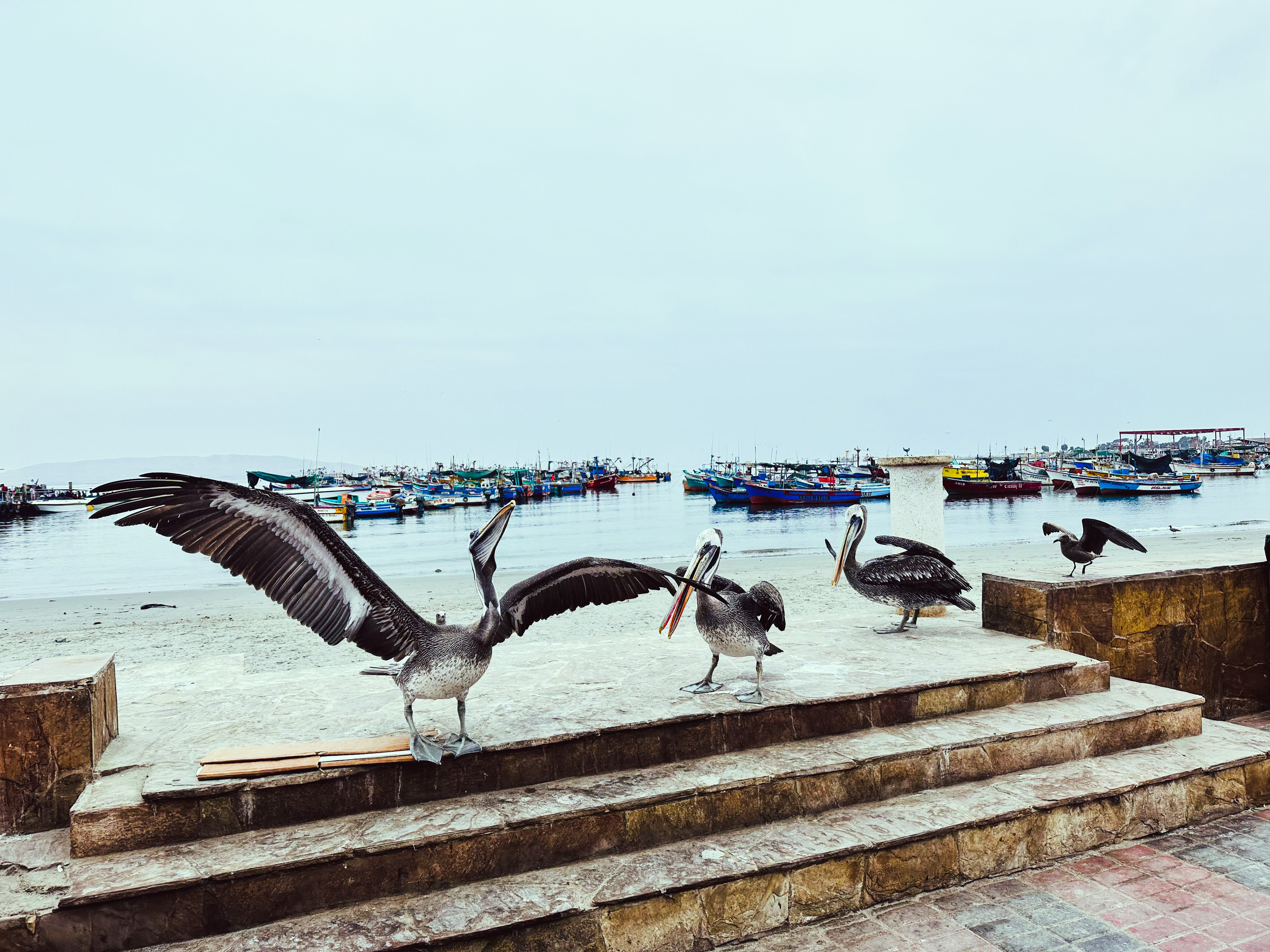
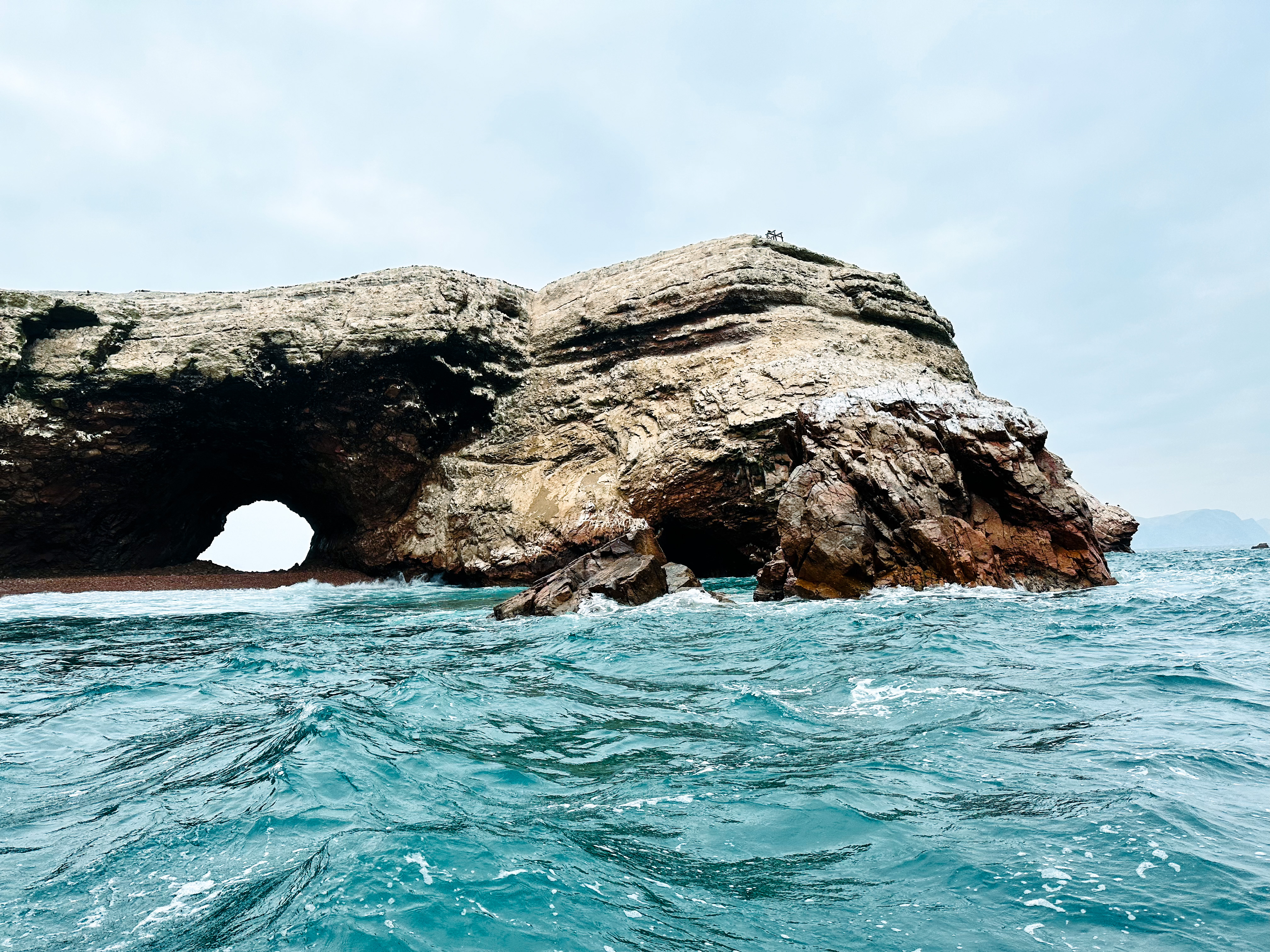
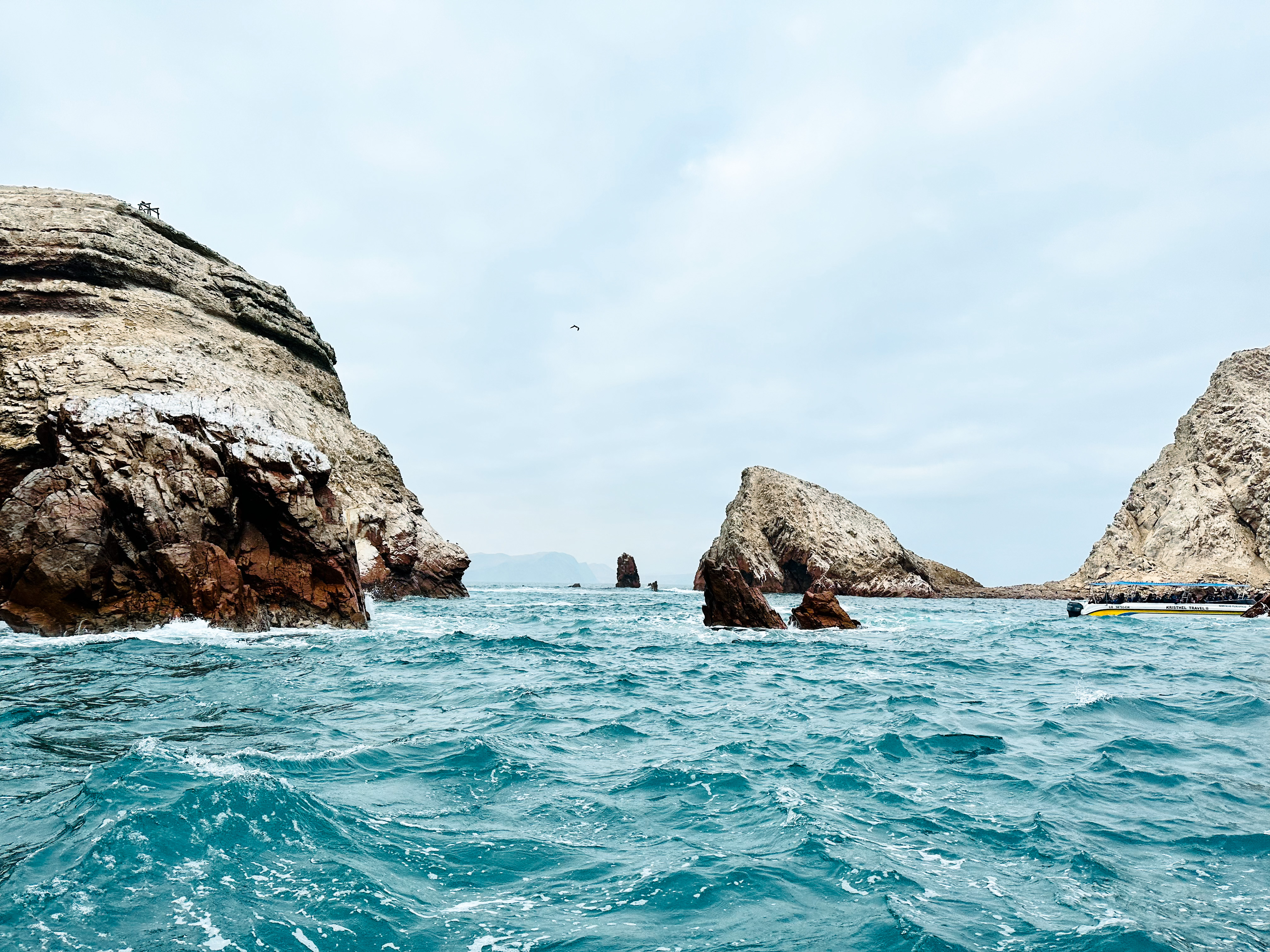
Set out on a sailing journey to the Islas Ballestas, frequently referred to as the "Galápagos of Peru."
These islands are a haven for aquatic life, sheltering many sea lions, penguins, and seagulls.
Witness the islands' craggy cliffs teaming with fauna, providing a stunning scene against the deep blue water.
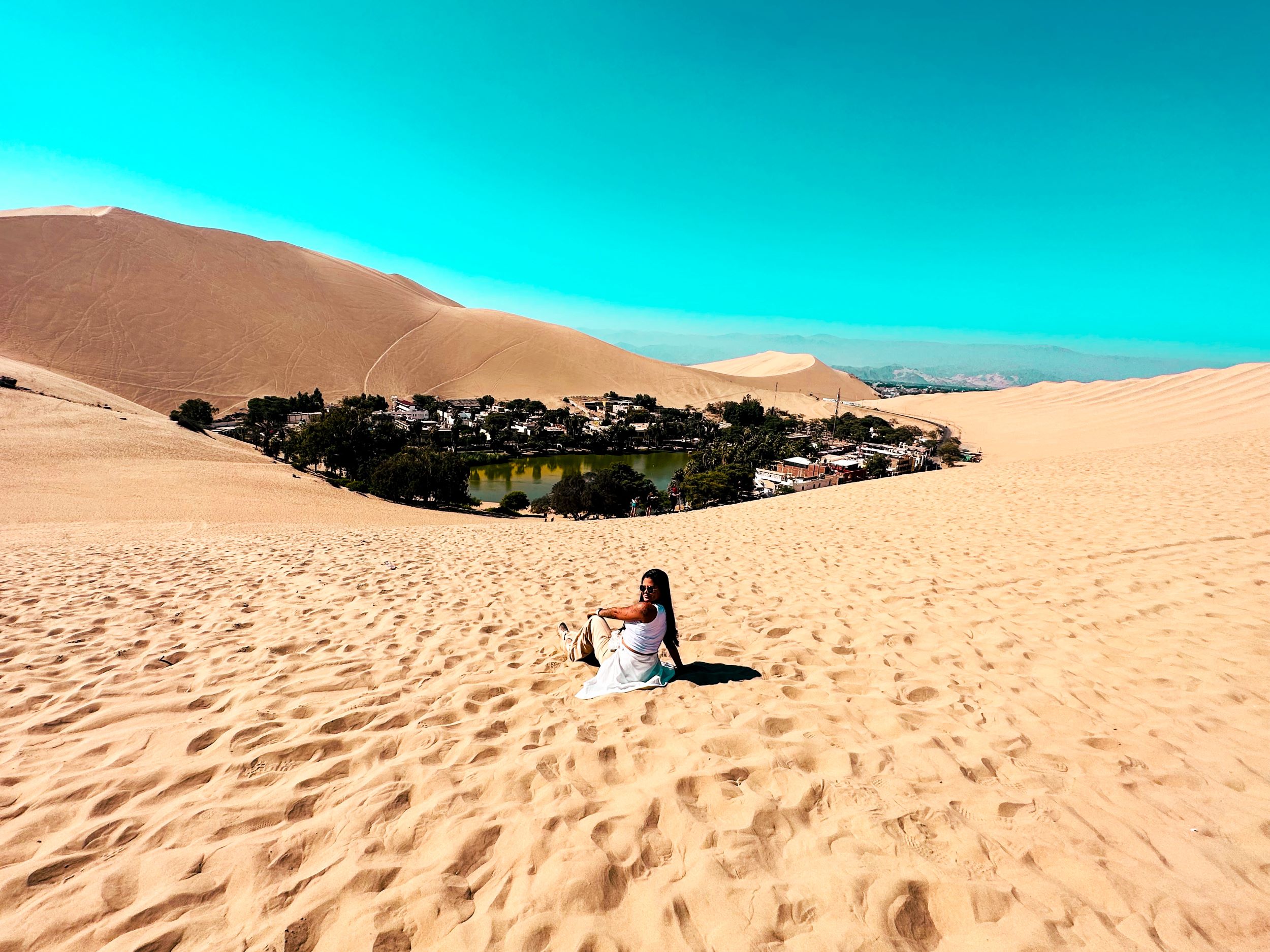
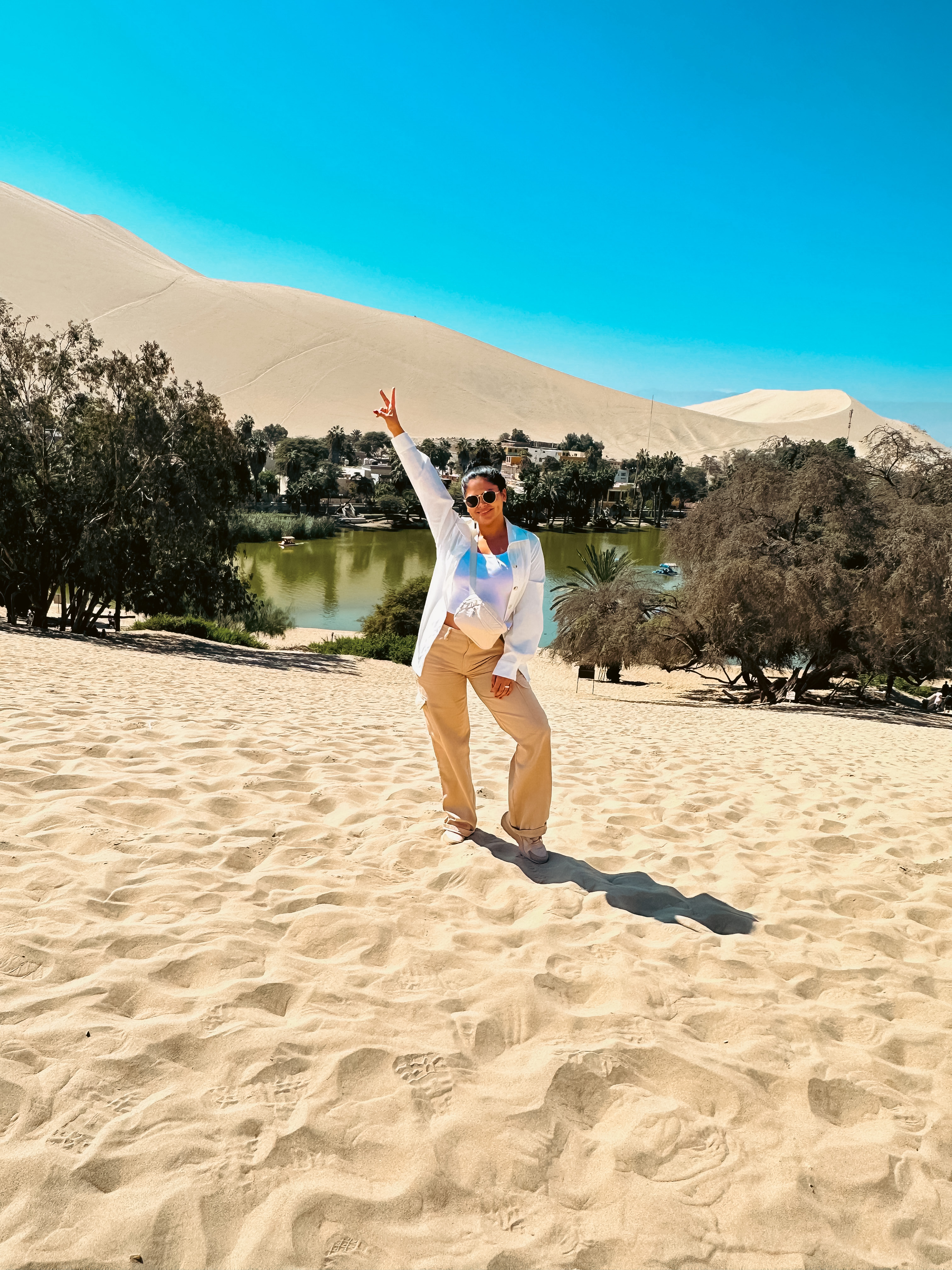
Huacachina is situated in the Ica Region, surrounded by vast sand dunes. It is often referred to as the "Oasis of America." The oasis is quite small, with the lagoon covering an area of about 0.12 square kilometers (0.046 sq mi).
The oasis is characterized by a small natural lake surrounded by palm trees and lush vegetation, providing a stark contrast to the surrounding desert.
Huacachina has become a popular tourist destination, offering activities such as sandboarding and dune buggies on the nearby sand dunes. Visitors can also take boat rides on the oasis.


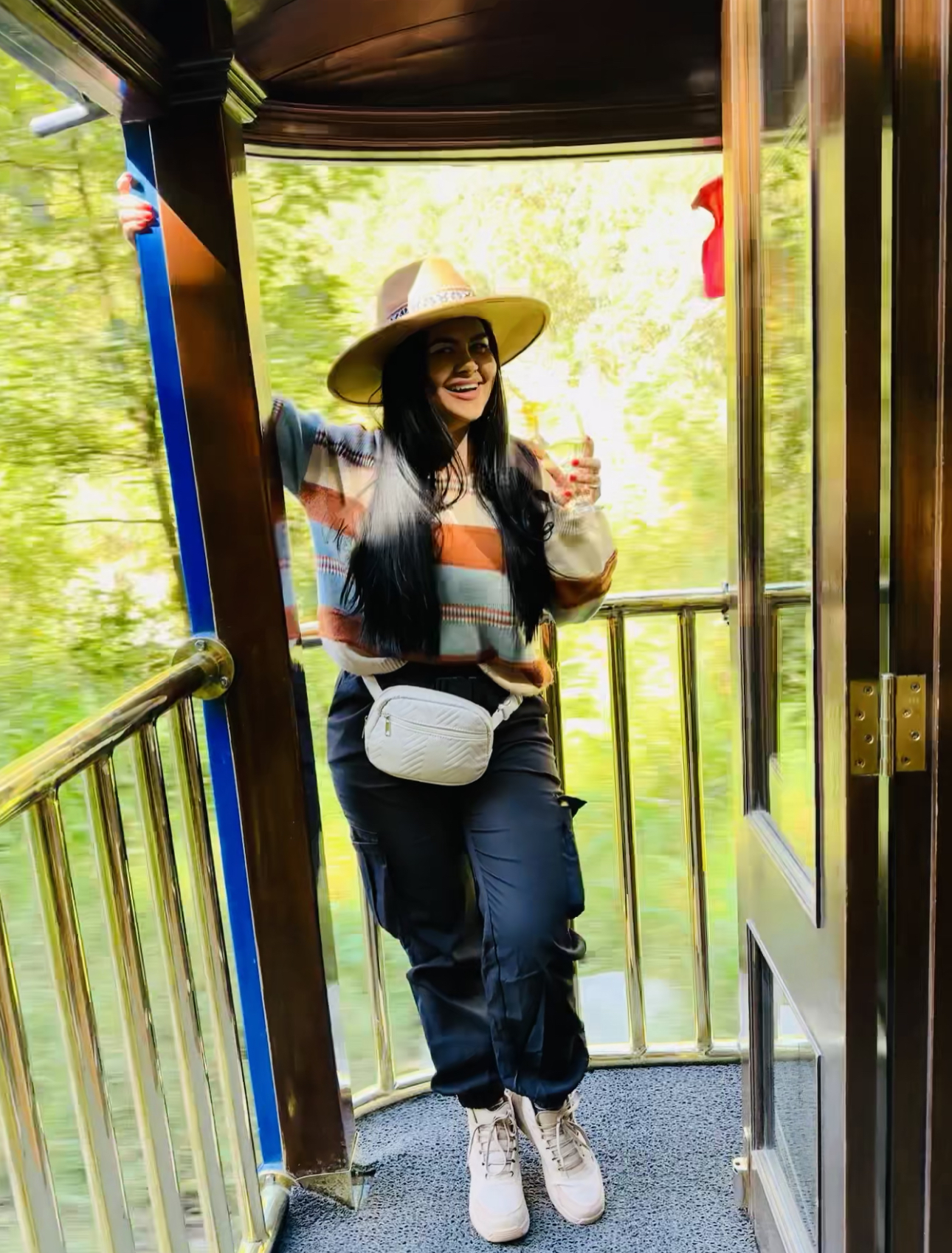
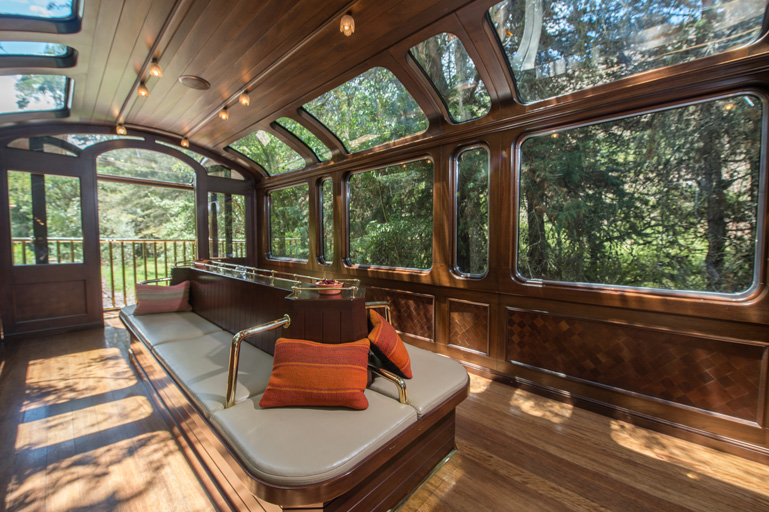
Machu Picchu PeruRail Vistadome offers a different way to travel to the citadel.
The Vistadome train brings the landscapes of the route to Machu Picchu closer in a unique way, making passengers feel part of the nature that surrounds them.

Machu Picchu is situated in the Andes Mountains, above the Urubamba River valley. It is located in the Cusco Region of Peru. Built by the Inca civilization in the 15th century, Machu Picchu served as an estate for the Inca emperor Pachacuti. Machu Picchu was not widely known to the outside world until its rediscovery by American historian and explorer Hiram Bingham in 1911. It was largely forgotten and hidden from the Spanish conquistadors.
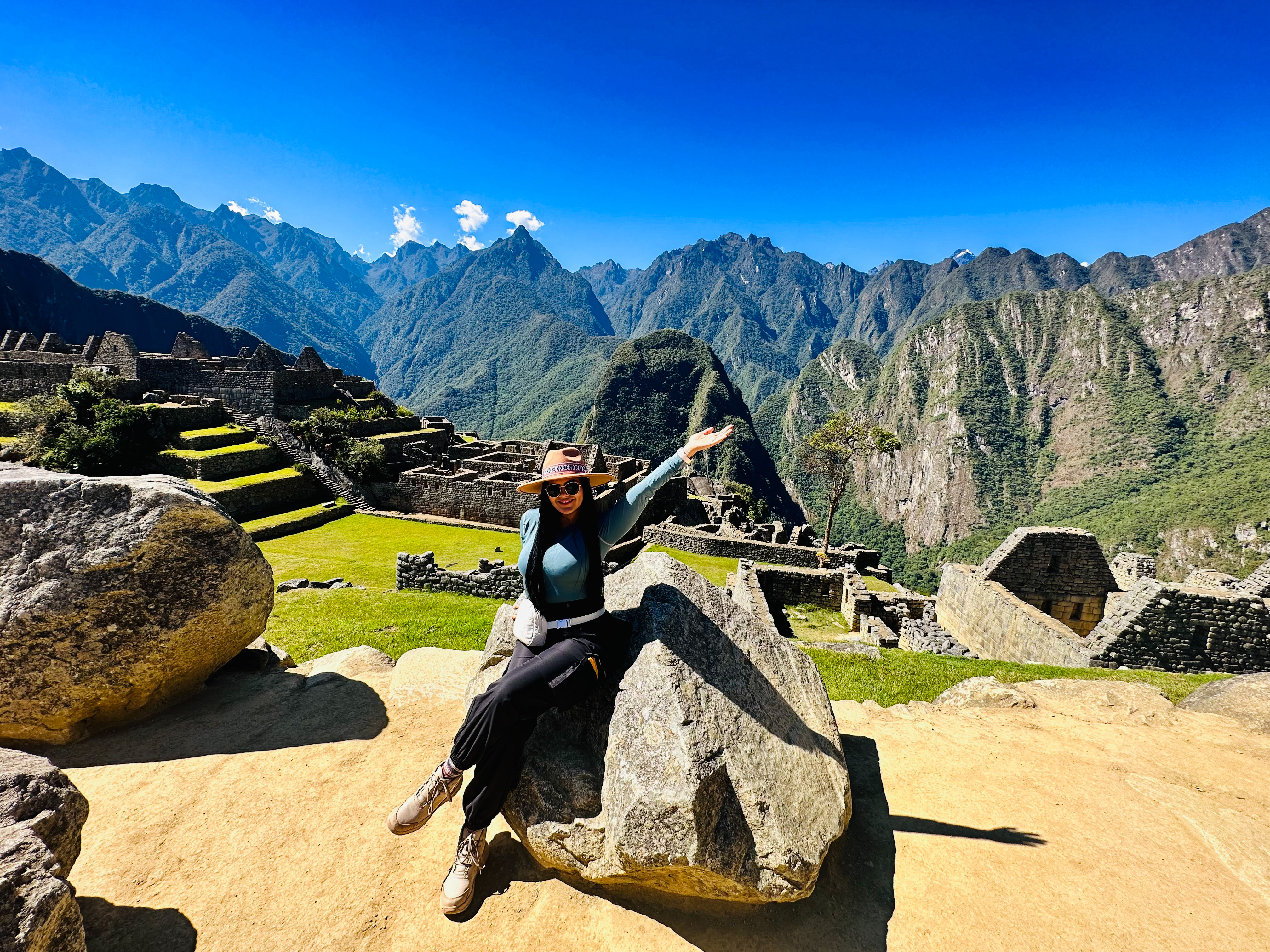
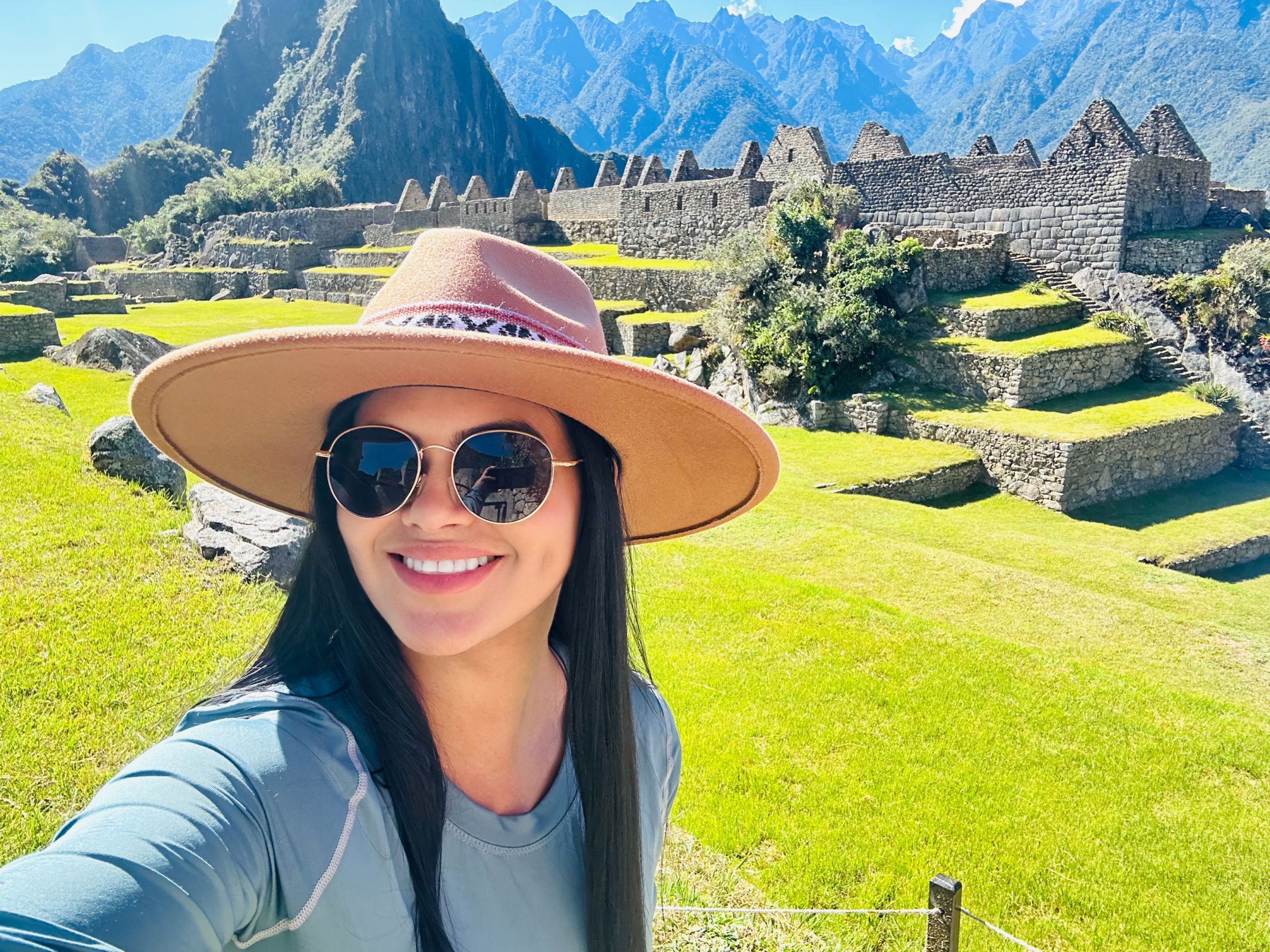
Machu Picchu contains an Intihuatana stone, a ritual stone associated with the Inca's astronomical and spiritual beliefs. It is believed to have been used for astronomical observations.
It is a major tourist attraction, drawing millions of visitors each year. The site's popularity has led to concerns about conservation and sustainable tourism.
Machu Picchu stands as a testament to the ingenuity of the Inca civilization and continues to captivate the world with its mystical aura and breathtaking scenery.


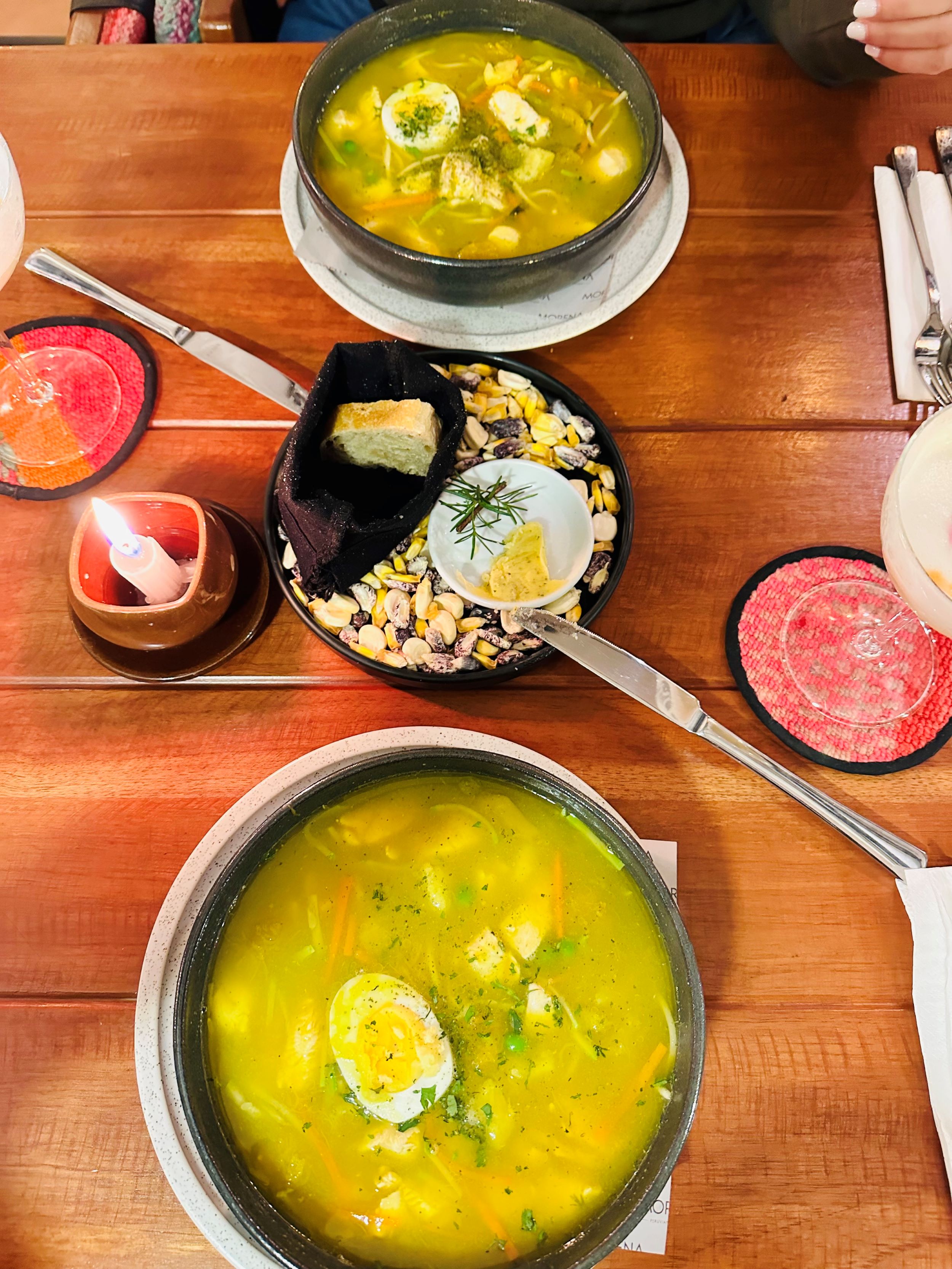
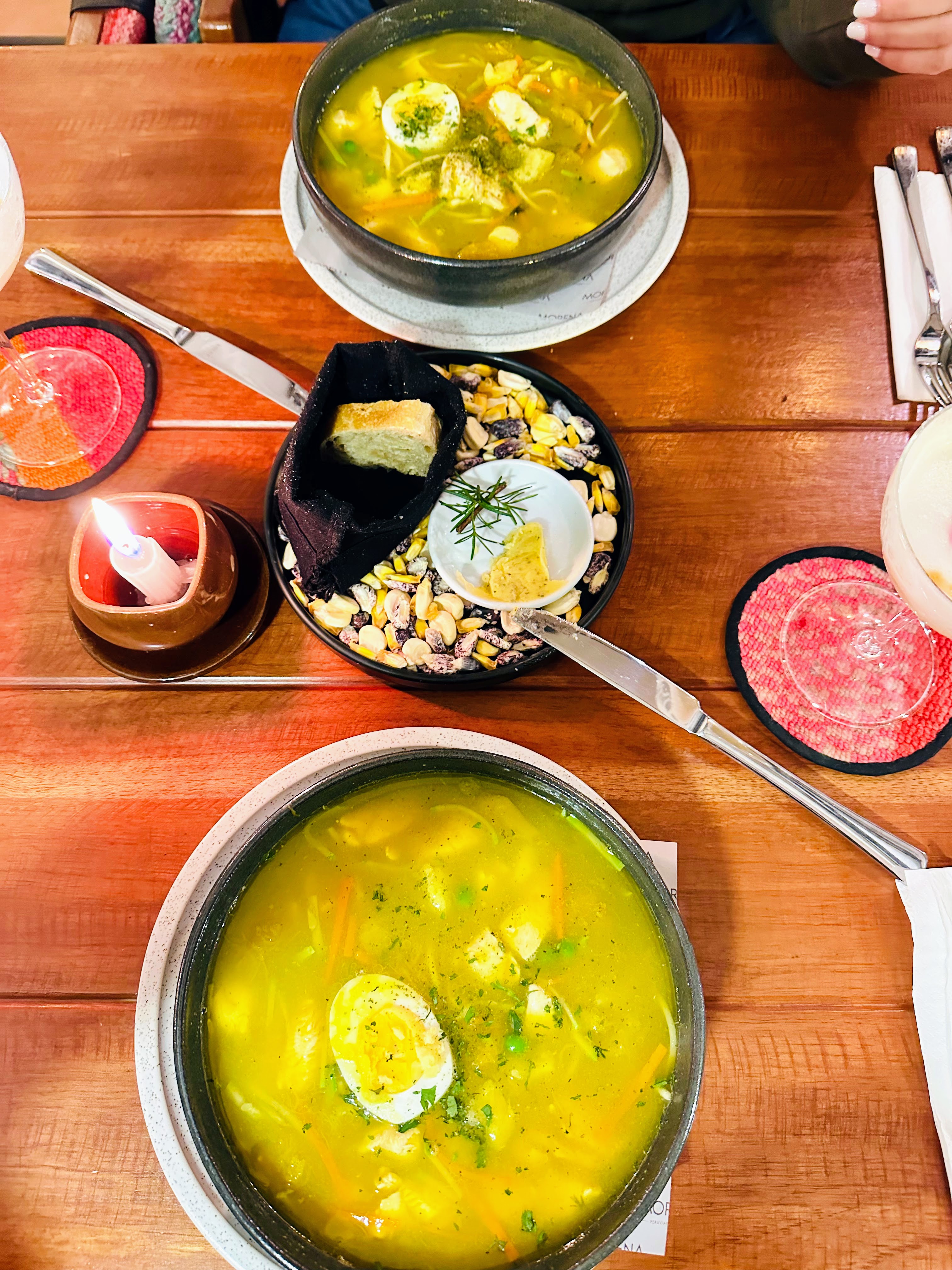
The city boasts a vibrant restaurant scene, ranging from upscale eateries to cozy cafes serving traditional Peruvian fare. Additionally, culinary tours are popular among visitors, allowing them to explore local markets, learn cooking techniques, and sample a variety of dishes.


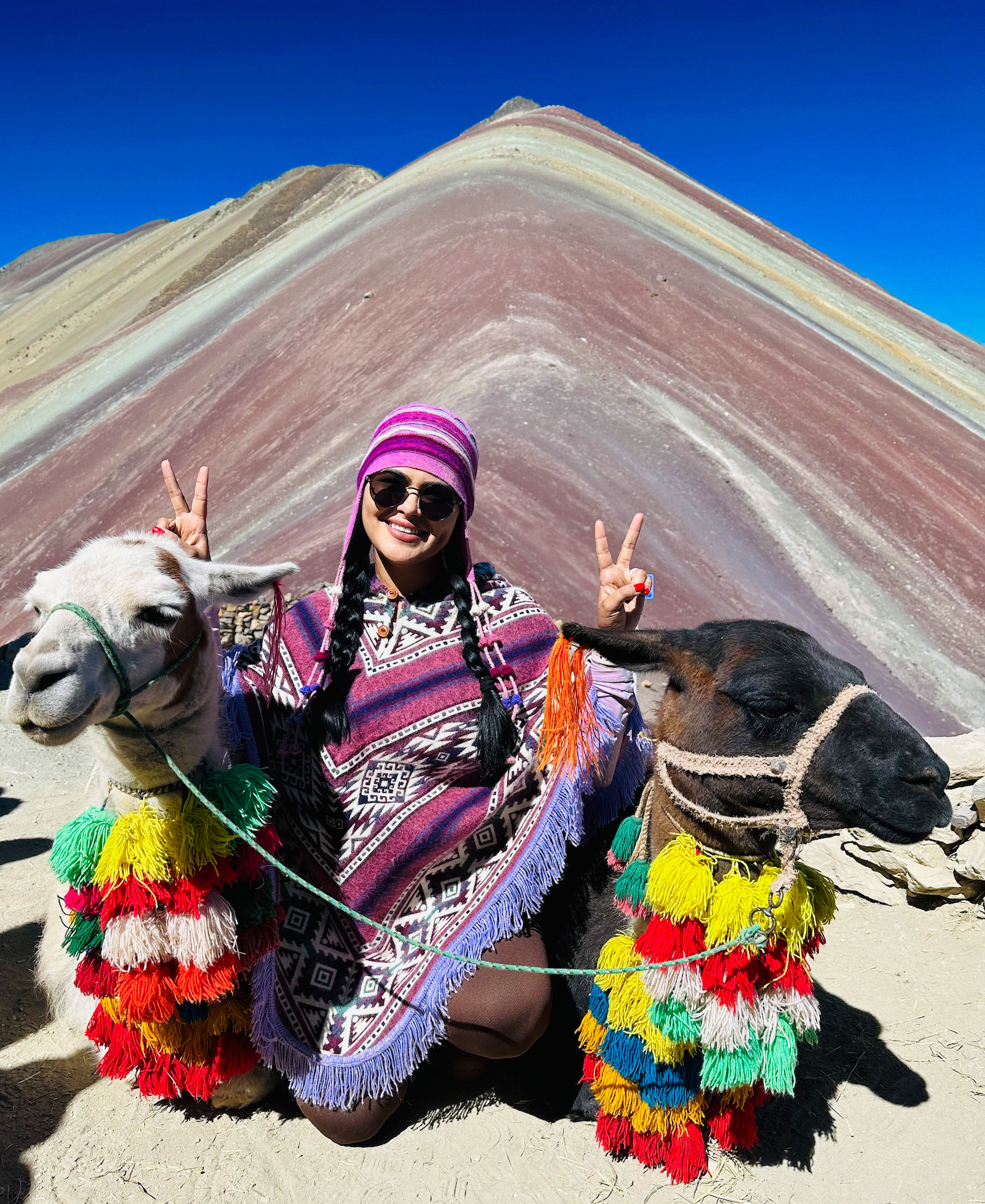
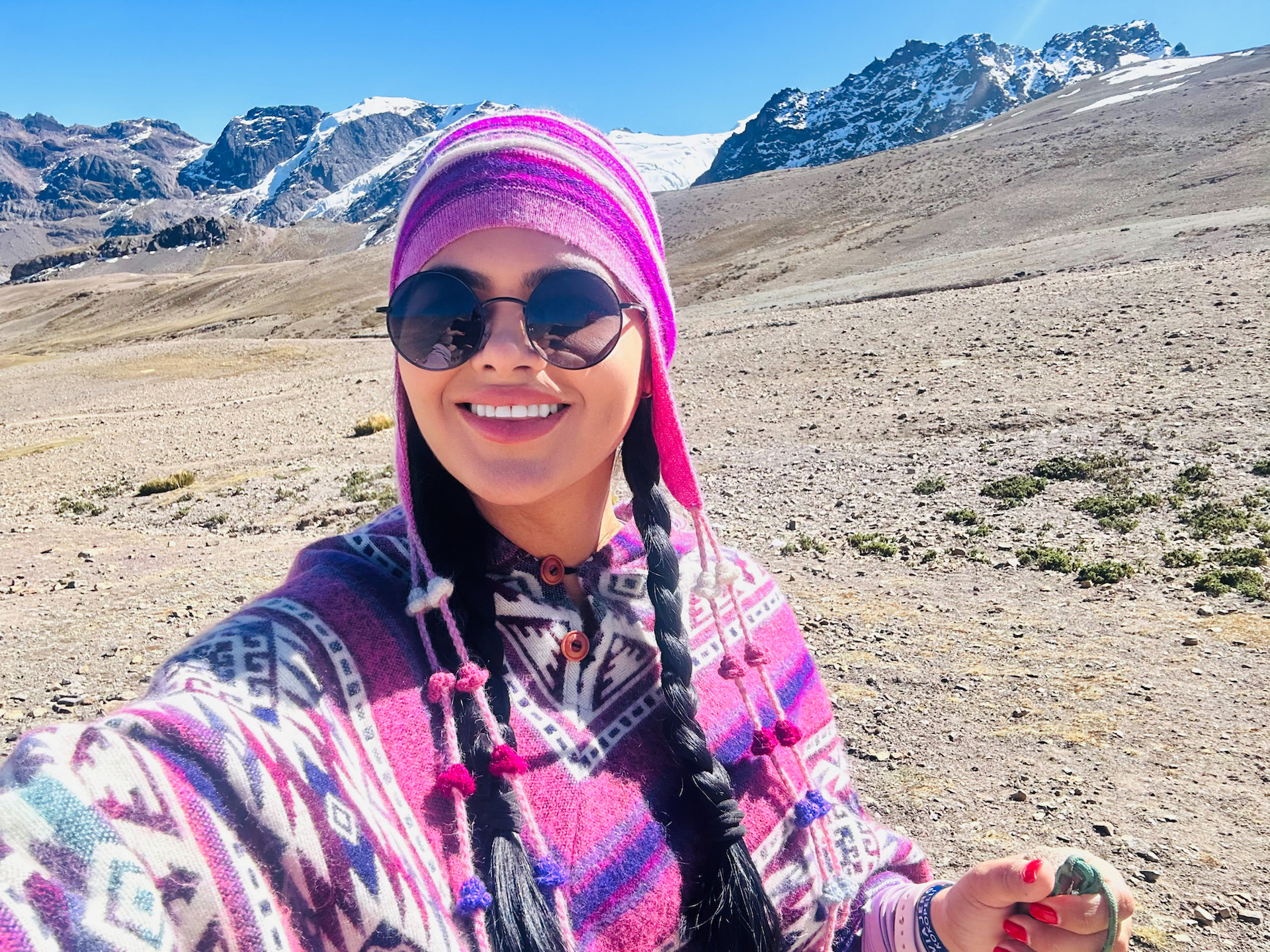
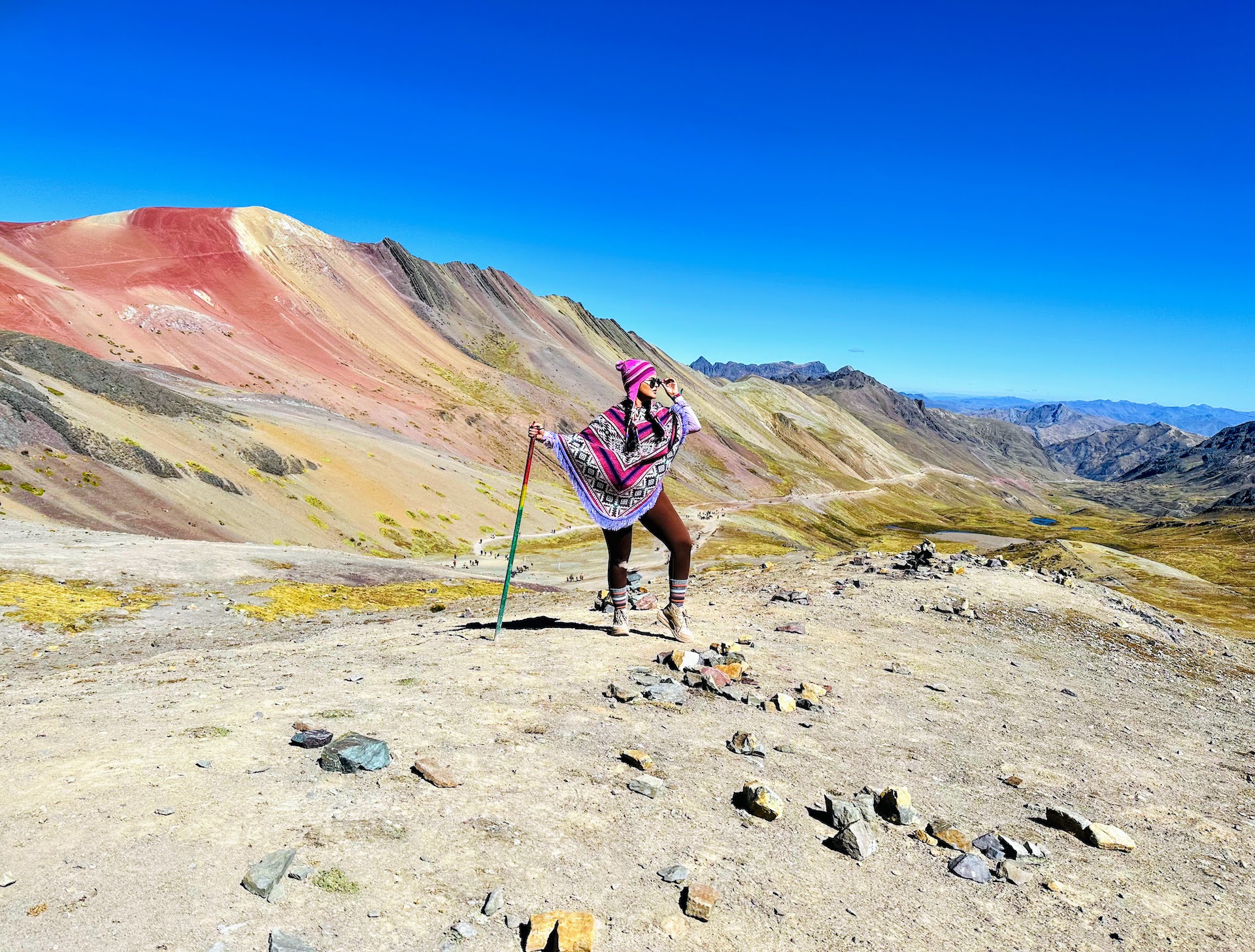
The mountain known as "Vinicunca," often referred to as the "Mountain of Seven Colors" or "Rainbow Mountain," is located in the Andes of Peru.
The summit of Vinicunca sits at an elevation of approximately 5,200 meters (17,060 feet) above sea level, making it one of the highest accessible points in the Andes.
The vibrant colors of Vinicunca are the result of mineral deposits, including iron oxide, copper sulfate, and other minerals, which have been exposed by erosion over thousands of years.
Laguna Humantay is a stunning glacial lake located in the Peruvian Andes, near the famous Salkantay Trek to Machu Picchu.
The altitude of Laguna Humantay is approximately 4,200 meters (13,779 feet) above sea level, making it a high-altitude destination that may require acclimatization for visitors who are not accustomed to such elevations.
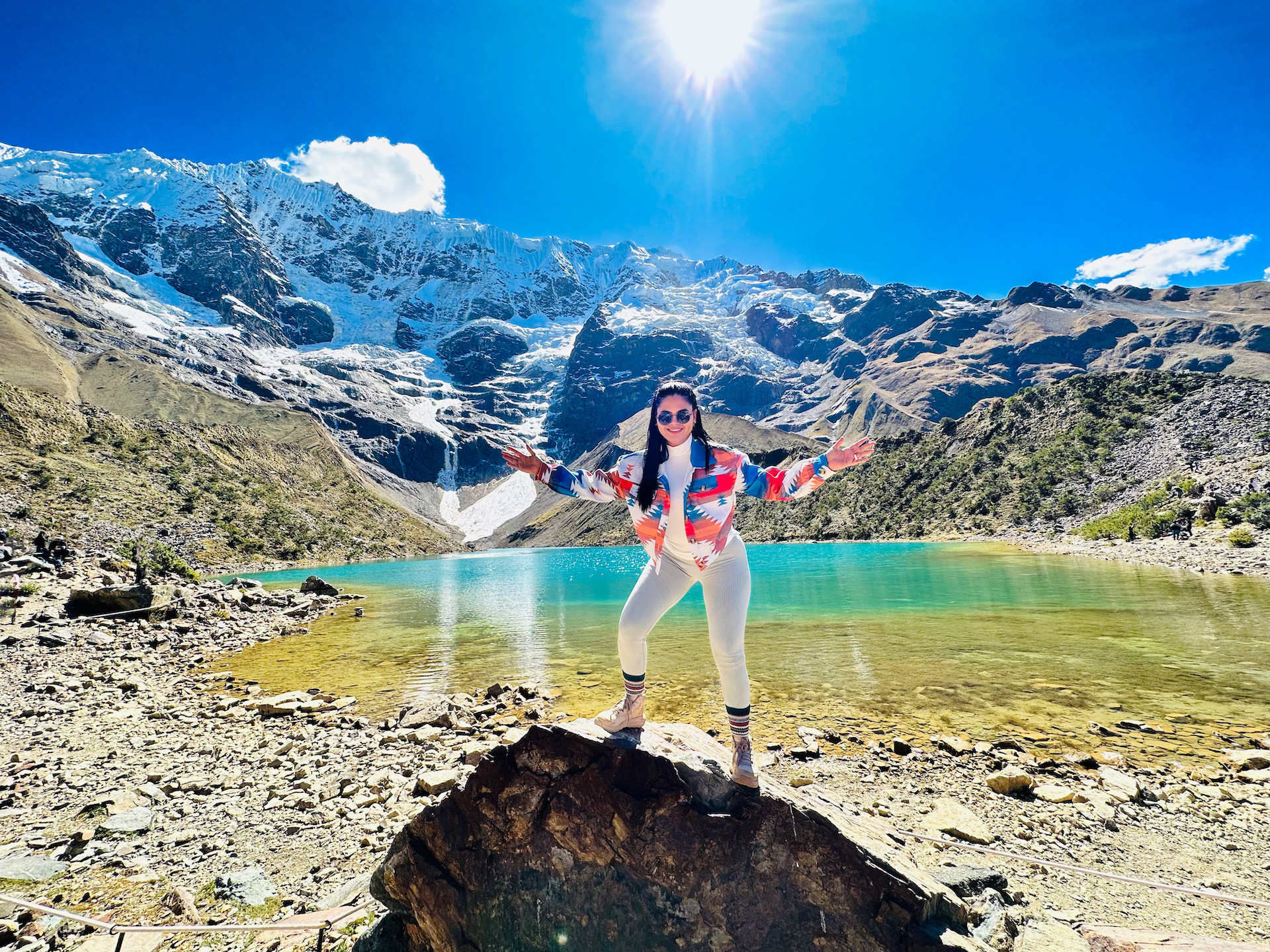
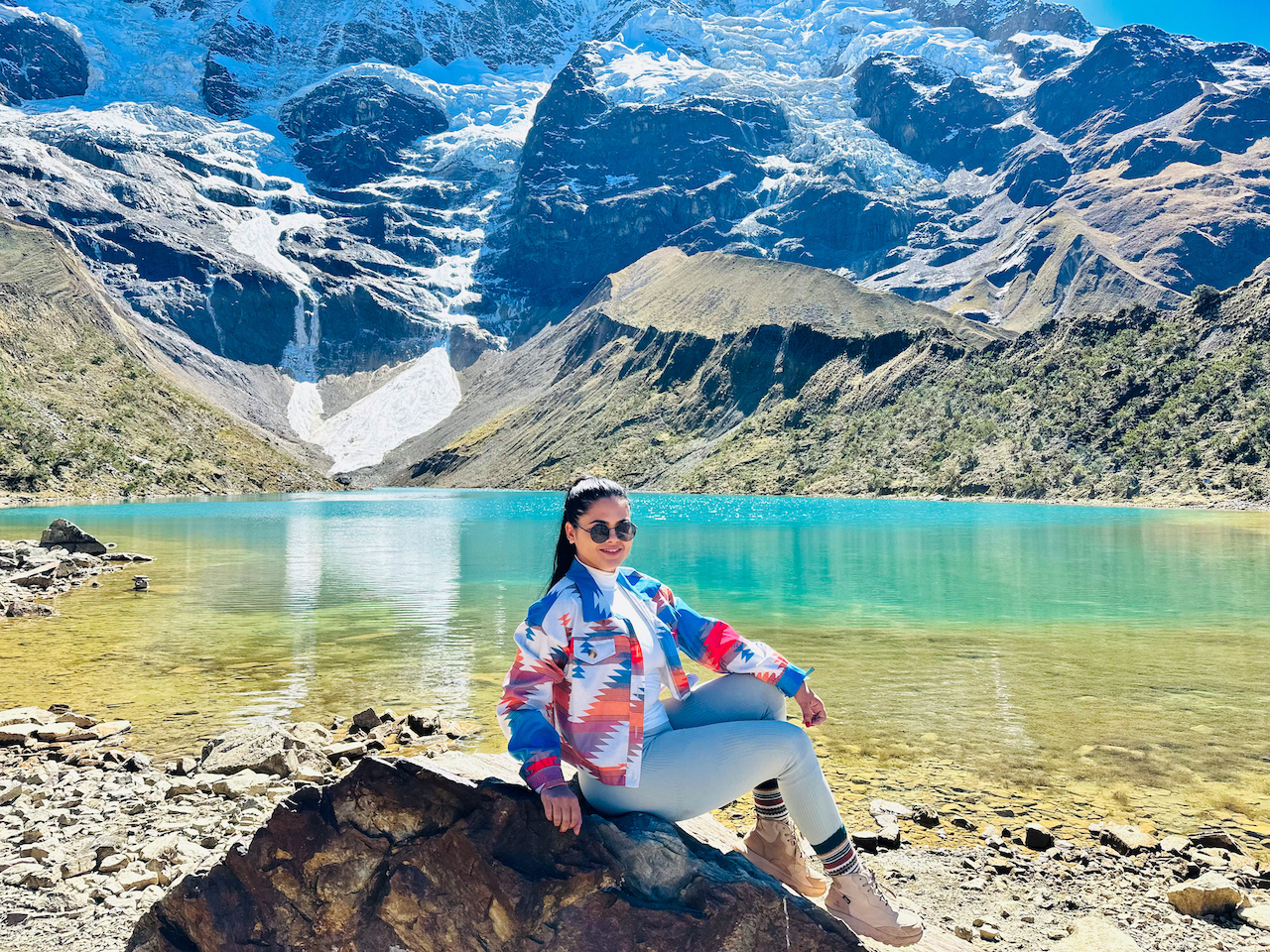
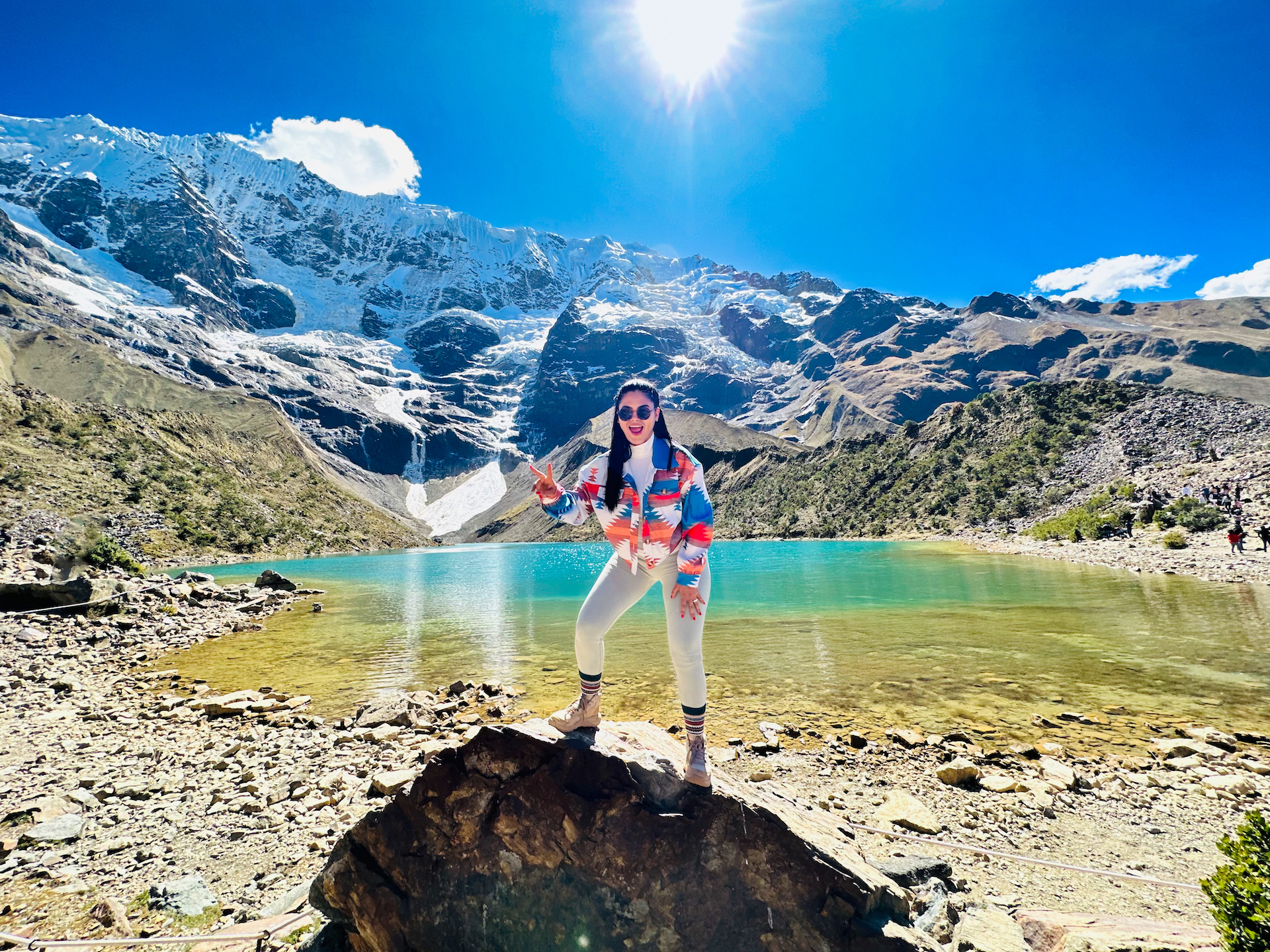
The lake is fed by glacial meltwater from the snow-capped peaks surrounding it, particularly from the towering Humantay Mountain. The water is incredibly clear and takes on stunning shades of turquoise and blue, especially on sunny days.
The journey to Laguna Humantay offers breathtaking views of the surrounding Andean landscape, including snow-capped peaks, rugged valleys, and alpine meadows. The vivid colors of the lake contrast beautifully with the dramatic mountain scenery.

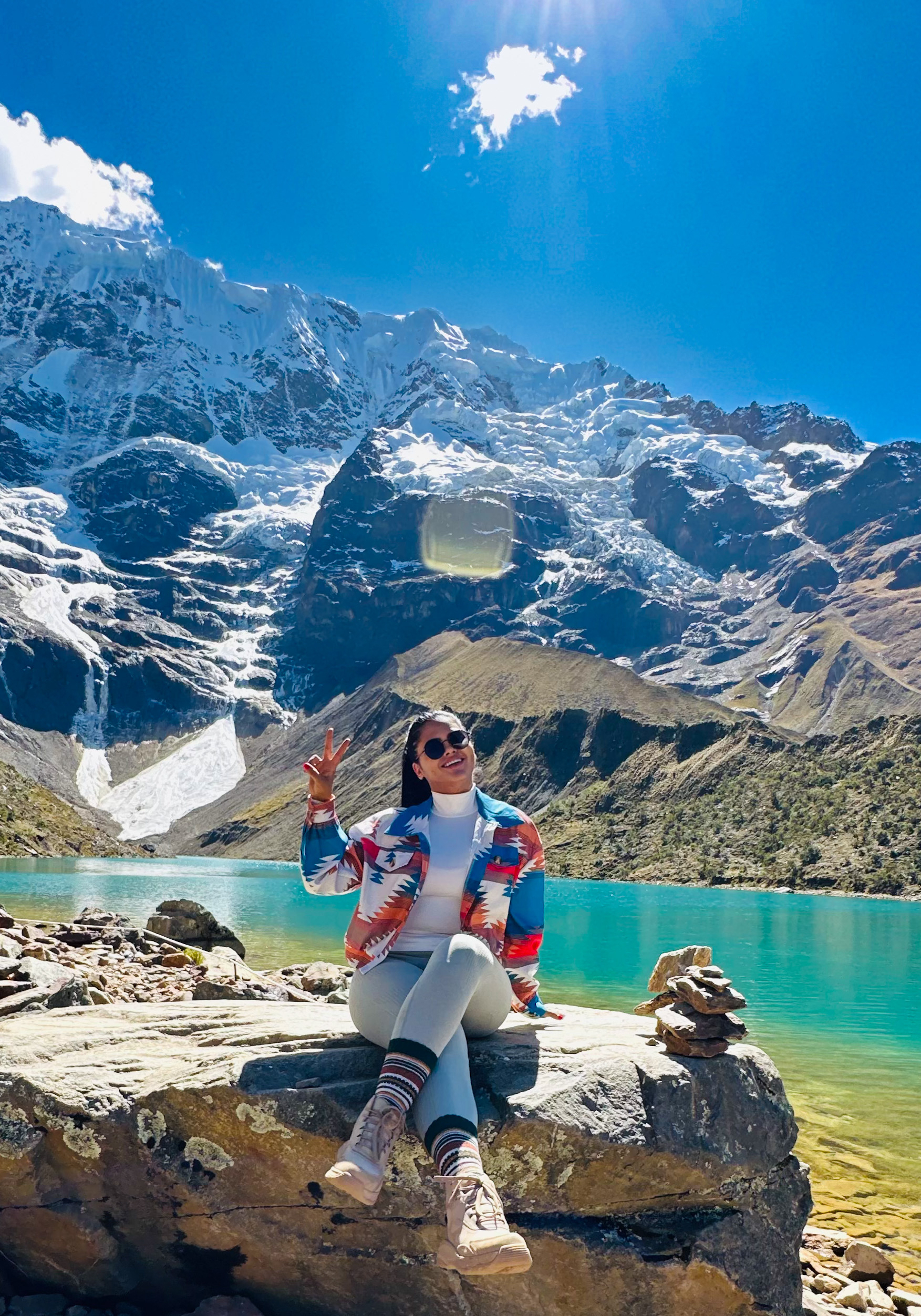
Laguna Humantay holds cultural significance for local Andean communities, who consider it a sacred site. Visitors may come across ceremonial offerings left by locals as part of traditional rituals and beliefs.
Overall, Laguna Humantay offers a serene and awe-inspiring experience for nature lovers and adventure seekers alike, showcasing the beauty and grandeur of the Peruvian Andes.


The information on this platform is not medical advice but intended to act as an avenue between you and your healthcare provider.
While we believe in the importance of open conversations about mental health, please remember that the information shared here is for informational purposes only.
It is not a substitute for professional advice or treatment.
If you or someone you know is struggling with mental health issues, please seek help from a qualified mental health professional.
Always prioritize your well-being and consult with experts for personalized guidance."
In the event of a crisis, please call 911 or go to your nearest emergency room.
Yourfuture_PsychNP

Created with © systeme.io